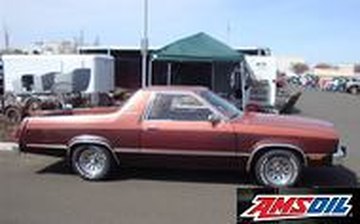
Lubrication Maintenance for the 1981 Mercury ZEPHYR 4.2L
Maintaining a vehicle from the early 1980s requires a shift in perspective compared to modern automotive care. For an owner of a 1981 Mercury ZEPHYR equipped with the 4.2L engine, routine service is not just about following a schedule; it is about active monitoring and understanding how aging components interact with various fluids. Proper lubrication management is a cornerstone of preserving the mechanical integrity of this engine over the long term.
Monitoring Fluid Integrity and Condition
One of the most effective ways to assess the health of the 4.2L engine is through regular observation of its lubricants. Rather than relying solely on mileage, an owner should periodically inspect the appearance and consistency of the engine oil. While fresh oil has a distinct, translucent quality, older oil may appear significantly darker or even opaque due to the accumulation of various substances during the combustion process.
If you notice a significant change in the texture of the oil—such as an unusual thickness or a gritty feel—it warrants immediate investigation. Such changes can be associated with several factors, including extended intervals between services or environmental contaminants entering the system. Additionally, checking for any signs of fluid seepage around the engine block or near sealing surfaces is a vital part of routine maintenance. Identifying small amounts of seepage early can prevent more significant issues that might arise if lubrication levels are allowed to drop unexpectedly.
Practical Inspection Priorities for Aging Engines
As vehicles age, certain components naturally become more sensitive to environmental factors and usage patterns. For the 1981 Mercury ZEPHYR, maintenance should focus on the condition of materials that are subject to heat and pressure cycles. This includes inspecting various hoses and belts, if equipped, for signs of deterioration such as cracking, glazing, or fraying. While these components are not directly part of the lubrication system, their condition can impact overall engine stability and cooling efficiency.
It is also beneficial to examine electrical connections and wiring harnesses for any evidence of corrosion or brittle insulation. In older vehicles, maintaining clean and secure electrical contact points ensures that sensors and indicators function correctly, providing you with accurate data regarding the engine's operating state. When performing these inspections, look for signs of previous maintenance neglect, such as heavy buildup of grime or evidence of makeshift repairs, which can help establish a more accurate baseline for your current service needs.
Managing Long-Term Engine Health
Effective ownership of a classic vehicle involves moving from reactive repairs to proactive management. If you do not have a complete service history for the 4.2L engine, your first priority should be establishing a maintenance baseline. This can be done by performing a comprehensive inspection of all fluids and mechanical components and documenting their current state.
Once a baseline is established, keep detailed records of every oil change, filter replacement, and mechanical repair. Documenting the specific products used and the dates of service allows you to identify patterns, such as whether the engine is consuming more lubricant than usual or if certain components require more frequent attention. This data-driven approach helps distinguish between necessary preventive maintenance and unnecessary parts replacement, ensuring that your resources are directed toward the most impactful service tasks.
Identifying Potential Operational Changes
An observant owner can often detect subtle changes in engine behavior before they escalate into significant mechanical problems. While symptoms can have many different causes, certain indicators should never be ignored. For instance, if you notice unusual mechanical noises during startup or while idling, it may indicate that the lubrication is not reaching critical areas as effectively as it should.
Changes in how the engine responds to throttle inputs or unexpected fluctuations in operating temperature can also be telling signs. If you observe any unusual exhaust characteristics, such as smoke that differs from the normal operation of a well-maintained engine, this warrants a thorough inspection. Always remember that a single symptom does not provide a definitive diagnosis; rather, it serves as a signal to investigate further and consult technical documentation or a professional to determine the root cause.
The Role of Lubrication in Engine Longevity
The engine oil in the 4.2L Mercury ZEPHYR performs several vital roles that extend far beyond simple lubrication. It acts as a medium for heat management, helping to carry thermal energy away from high-friction areas and toward the cooling system. Furthermore, modern lubricant formulations are designed with advanced additives that assist in deposit control, preventing the buildup of sludge and other residues that can interfere with mechanical movement.
By maintaining clean and fresh oil, you ensure that the engine remains protected against the internal stresses caused by friction and heat. Consistent lubrication helps maintain the smooth operation of moving parts, which is essential for preserving the engine's efficiency and overall service life. Regular attention to the quality and cleanliness of your lubricant is one of the most effective ways to support the continued operation of this vintage powerplant.
Practical Guidance for Buying Engine Oil for a 1981 Mercury ZEPHYR 4.2L
When it is time to replenish your engine's lubrication, accuracy in selection is paramount. You should not rely on general automotive trends or assumptions based solely on the age of the vehicle when choosing a product. Instead, match the engine oil to the application-specific viscosity and requirements already displayed in the information section of this page.
Before making a purchase, carefully check the product labels to ensure the lubricant meets the appropriate quality standards and certifications for your specific engine. Depending on your current maintenance goals and the condition of your engine, you may choose between conventional oils, synthetic blends, or full synthetic formulations. For engines with higher mileage, some high-mileage oil formulations contain additives intended for use in aging engines, including seal-conditioning additives that may be beneficial. Always prioritize the specific viscosity information provided on this webpage to ensure the lubricant is compatible with your 1981 Mercury ZEPHYR 4.2L.